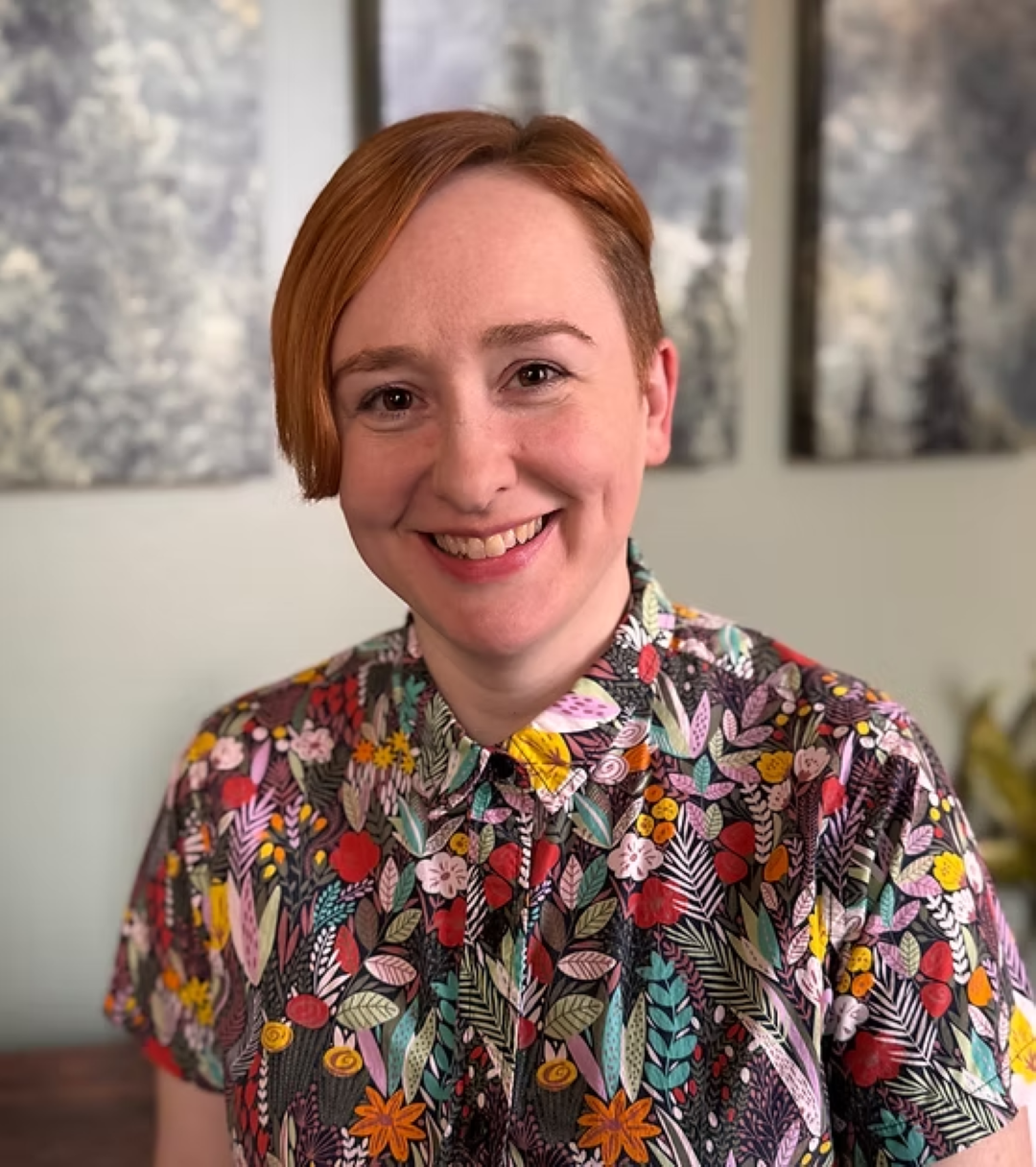
Charlotte Shuber
Licensed Clinical Social Worker (LCSW)
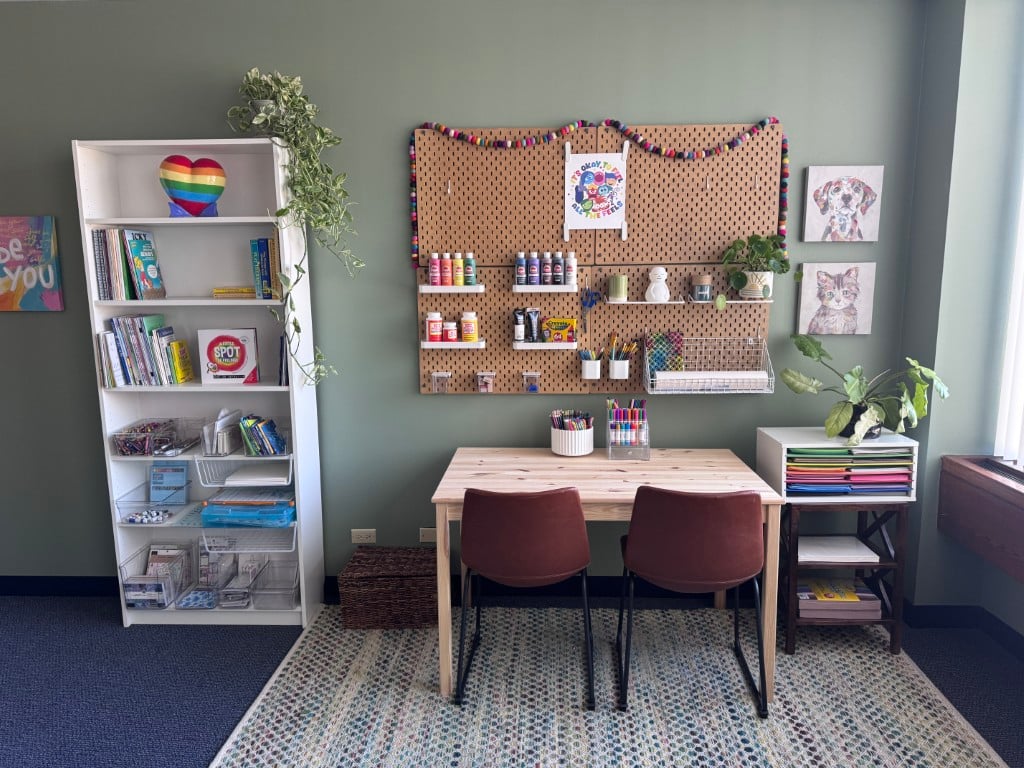
At Creating Space Therapy, we built our child therapy program with one goal in mind: to give children a place where they feel genuinely safe, and to give parents the knowledge and confidence to support that healing at home.
To do that, we developed our own grief-affirming, trauma-informed treatment approach called SAFE. SAFE stands for Somatic, Attachment and Family-Focused, and Experiential -- three principles that shape everything we do with children and families.
We pay attention to your child's nervous system and yours. We center the relationship between you and your child as the most powerful healing force available to them. And we use active, creative, hands-on methods because children don't heal through talking alone; they heal through doing, playing, creating, and connecting.
SAFE grief-affirming, trauma-informed therapy isn't a cookie-cutter program. It's a thoughtfully designed framework built on the latest research in trauma, attachment, and child development, and it guides every treatment plan we create.
At Creating Space Therapy, our child therapists are dedicated to supporting young children through the unique challenges of early life. Specializing in grief counseling, trauma therapy, and emotional well-being, they create a safe and nurturing space where children feel heard, valued, and understood. Using child-centered approaches such as play therapy, mindfulness, and trauma-informed care, our therapists help kids process their experiences, build resilience, and develop essential tools for emotional growth. Whether your child is navigating grief, trauma, anxiety, or big life changes, our compassionate team is here to support their healing and development.


It's one of the most common things parents wonder. Some signs that therapy may help include withdrawal, sleep problems, behavioral changes, physical complaints, or a noticeable shift in how your child connects with you or others. If something feels off, it's worth a conversation. Our consultation call is a good place to start. We can help you think through whether therapy makes sense right now.
Not in the way you might picture. We don't put children in a chair and ask them to recount what happened. Our approach is experientia. Play, art, movement, and creative expression are the primary vehicles for healing. Children can process deeply without ever having to narrate their experience directly, and our therapists are trained to follow your child's lead at every step.
We hear this a lot. Therapy at Creating Space isn't about labeling your child or suggesting they're broken. It's about giving them a place where they feel completely accepted and supported while they work through something hard. Most kids actually look forward to their sessions once they get started.
Very involved and intentionally so. Parent coaching is built into our model because your role in your child's healing matters enormously. You'll have regular check-ins with your child's therapist, and you'll leave with tools and strategies you can use at home. This isn't something that happens to your child while you wait in the lobby. It's a process we go through together.
You'll start to notice it at home before you notice it anywhere else, small shifts in how your child handles a hard moment, how they communicate with you, how they sleep. Your child's therapist will also keep you informed throughout the process and adjust the approach as needed. You are a partner in this work, not a passenger.
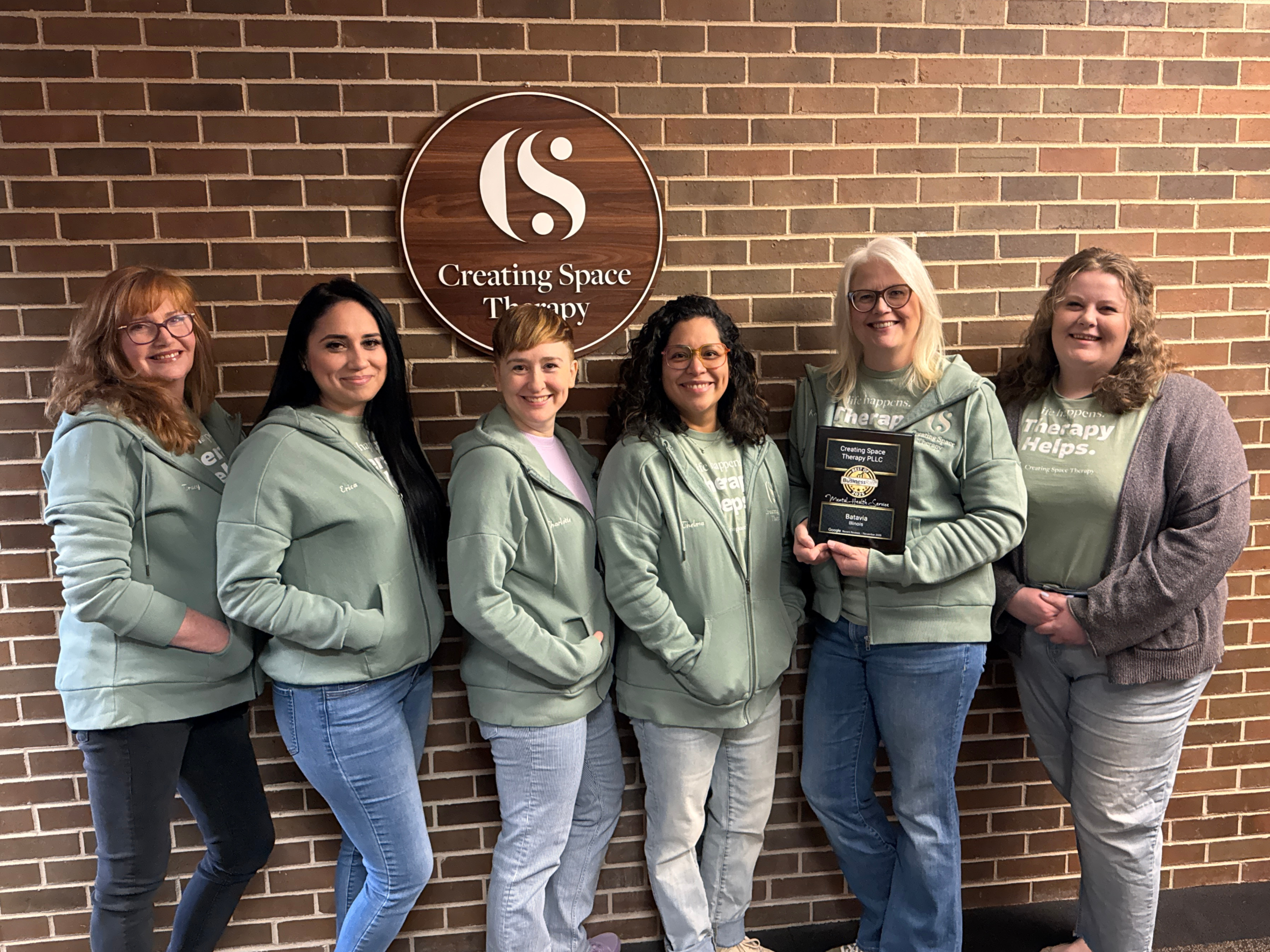
When the results came in, my first thought was not about the award itself. It was about the people behind it. Every client who sat with something hard and decided […]
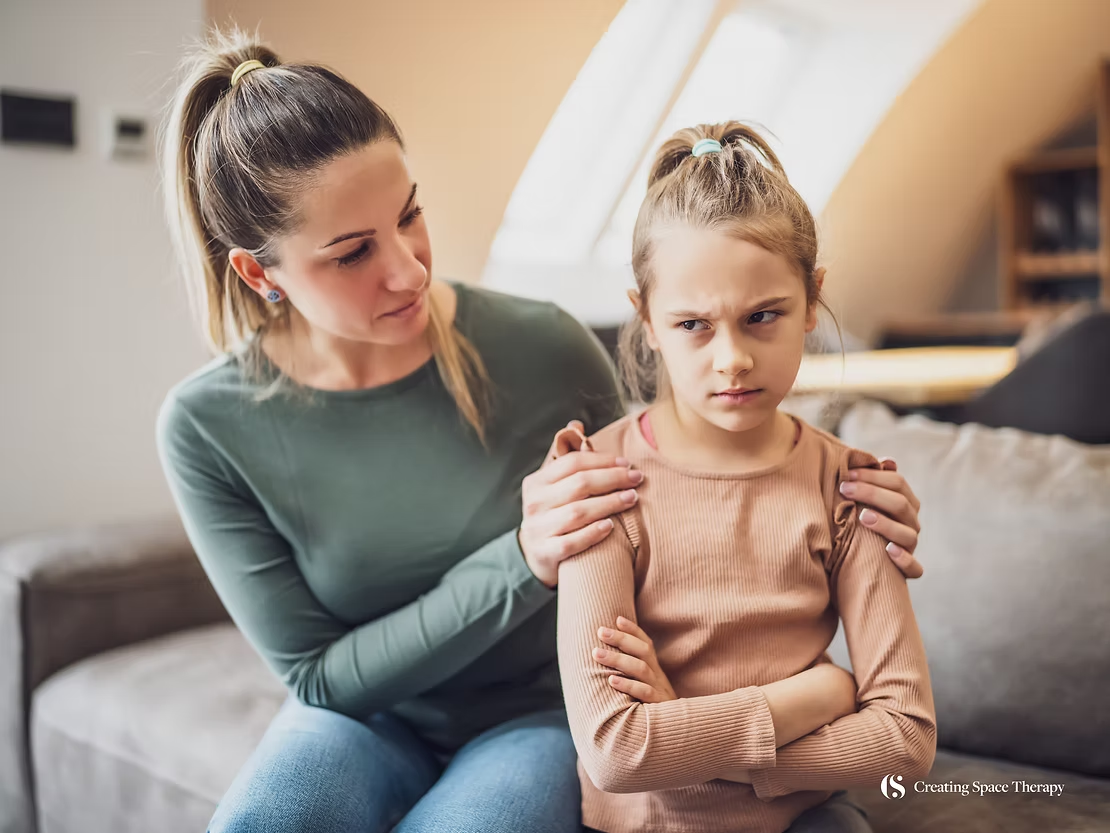
Every parent has been in the middle of a grocery store, playroom, or bedtime routine when a child suddenly collapses into tears, screams, or complete overwhelm. In those moments, it […]
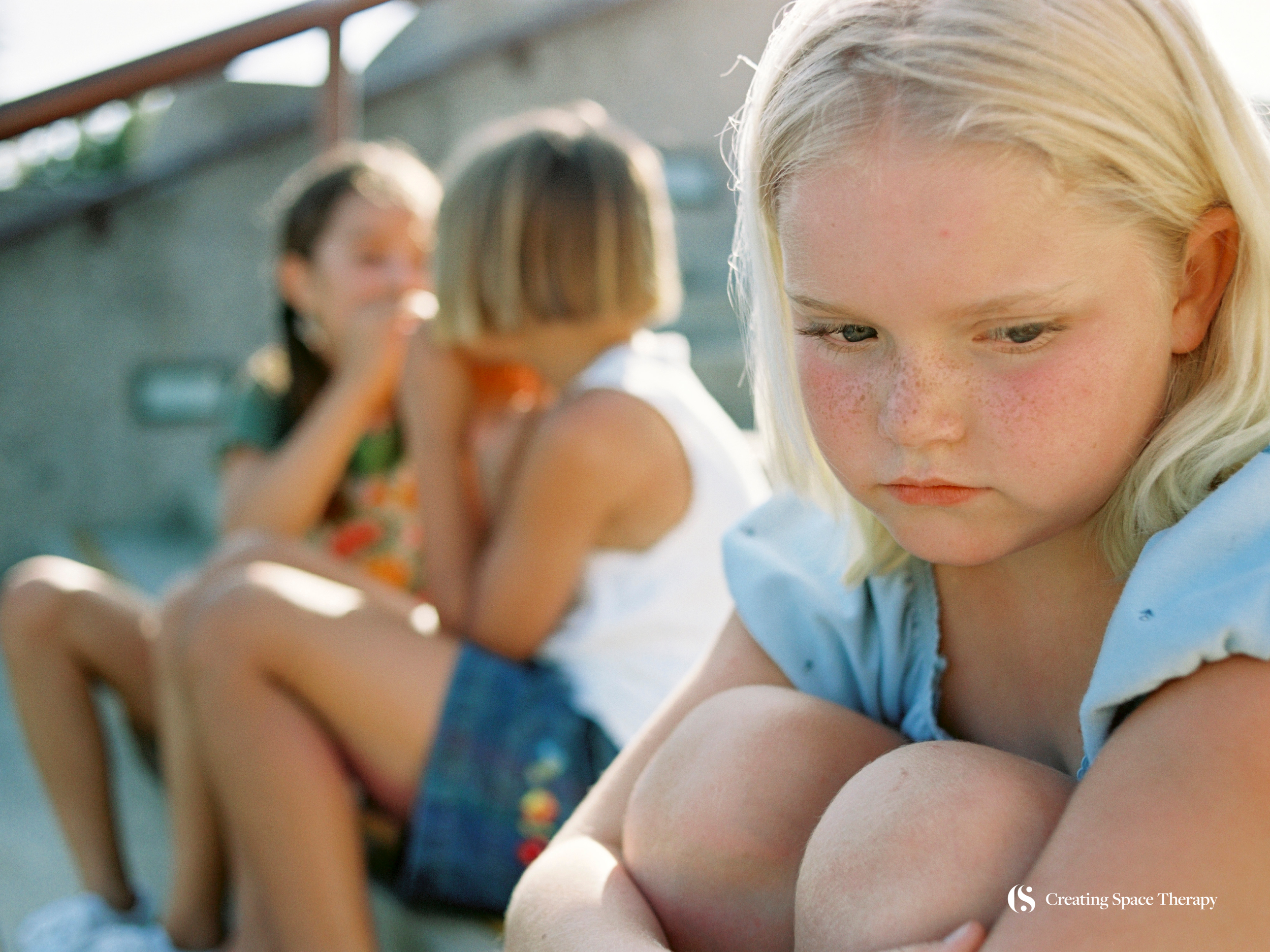
When Children Struggle in Silence Sometimes, a parent simply knows that something feels off. A once-playful child grows quiet, or a teen who used to laugh easily now seems distant […]