
Charlotte Shuber
Licensed Clinical Social Worker (LCSW)
Parenting a teenager can feel like walking a tightrope, especially when they’re struggling with grief or trauma. For many teens, life’s challenges can feel overwhelming, and the natural ups and downs of adolescence can be compounded by deep emotional pain. Teens often lack the tools to process their experiences fully, leaving them feeling stuck, isolated, or misunderstood.
Grief in teens can look different than in adults. It may show up as irritability, withdrawal, or even rebellion. Trauma can be even harder to detect—manifesting as anxiety, mood swings, or a sudden drop in academic performance. These behaviors aren’t signs of defiance but indicators of a teen struggling to cope.
You may feel helpless watching your child battle emotions they can’t explain or control. Perhaps you’ve noticed them withdrawing from family and friends, losing interest in their passions, or expressing frustration in ways that don’t feel like “them.” These moments can leave you questioning what they need—and how you can best support them.
Without the right tools and support, grief and trauma can affect a teen’s ability to thrive emotionally, socially, and academically. Therapy offers a compassionate space to help your teen heal, process their emotions, and reclaim their sense of self.
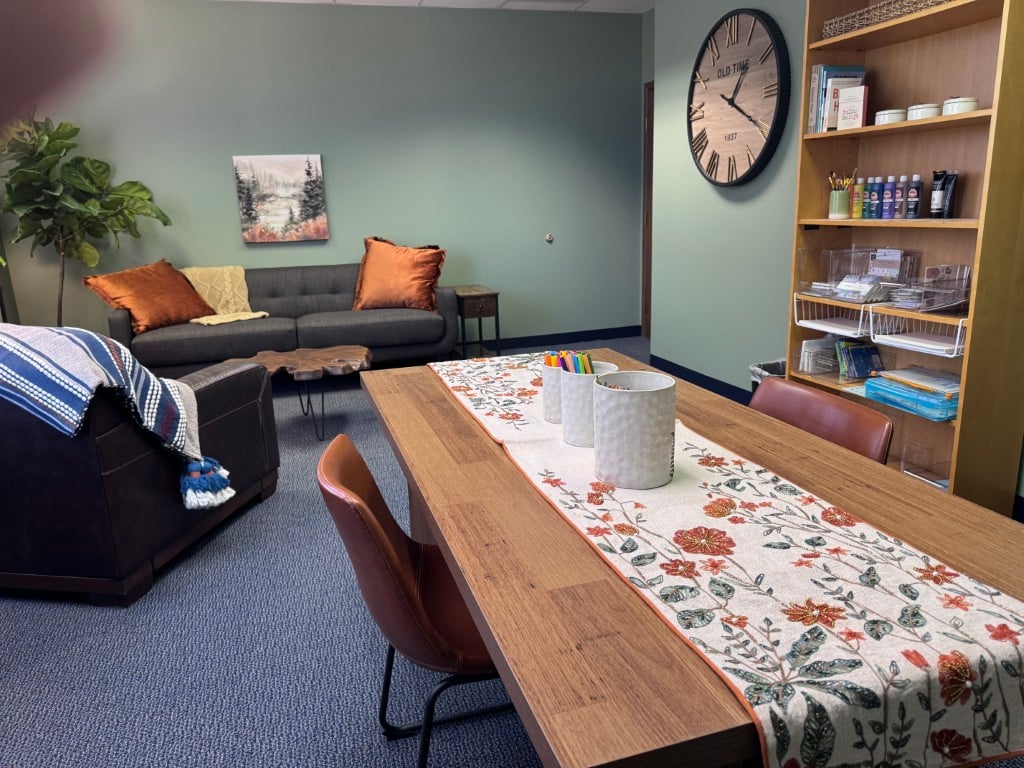
At Creating Space Therapy, our teen therapists are committed to helping adolescents navigate the challenges and complexities of the teenage years. Specializing in grief counseling, trauma therapy, and emotional well-being, they create a supportive, nonjudgmental environment where teens feel understood and empowered. Using approaches tailored to teenagers, such as mindfulness, parts work, and trauma care, our therapists help teens process difficult emotions, build resilience, and develop tools for navigating relationships and life transitions. Whether your teen is coping with grief, trauma, anxiety, or identity exploration, our skilled and compassionate team is here to guide them toward healing and growth.



This is probably the most common thing we hear from parents. Resistance is normal, especially for teens who feel like therapy means something is wrong with them, or who worry about what they'll be asked to talk about. We're happy to talk with you about how to approach the conversation in a way that's more likely to land well. And in our experience, most resistant teens warm up once they realize therapy isn't what they expected.
Not in the way they might be dreading. Our approach is experiential; we use art, movement, and other creative modalities that give teens multiple ways to engage with their healing beyond direct verbal processing. Your teen's therapist will always follow their lead and never push them faster than they're ready to go.
Teen therapy at Creating Space is confidential, with the exception of safety concerns. Your teen's sessions are their space, and that privacy is what makes the therapeutic relationship work. We will keep you informed about general progress and will always communicate directly with you if there is a safety concern. Outside of that, we ask parents to trust the process, and we'll give you the support you need to do that.
The biggest difference is who sits at the center. In child therapy, parents are active partners in the treatment process. In teen therapy, the teen is in the driver's seat. Sessions are more private, more teen-directed, and designed to honor your adolescent's growing need for autonomy and independence. Parent involvement still matters, but it looks different.
You'll likely notice it at home before your teen tells you about it. Small shifts in how they handle conflict, how they talk about the future, and how they respond when things go wrong. Their therapist will also check in with you periodically to share general observations and adjust the approach as needed. Healing isn't always linear, but it is visible over time.
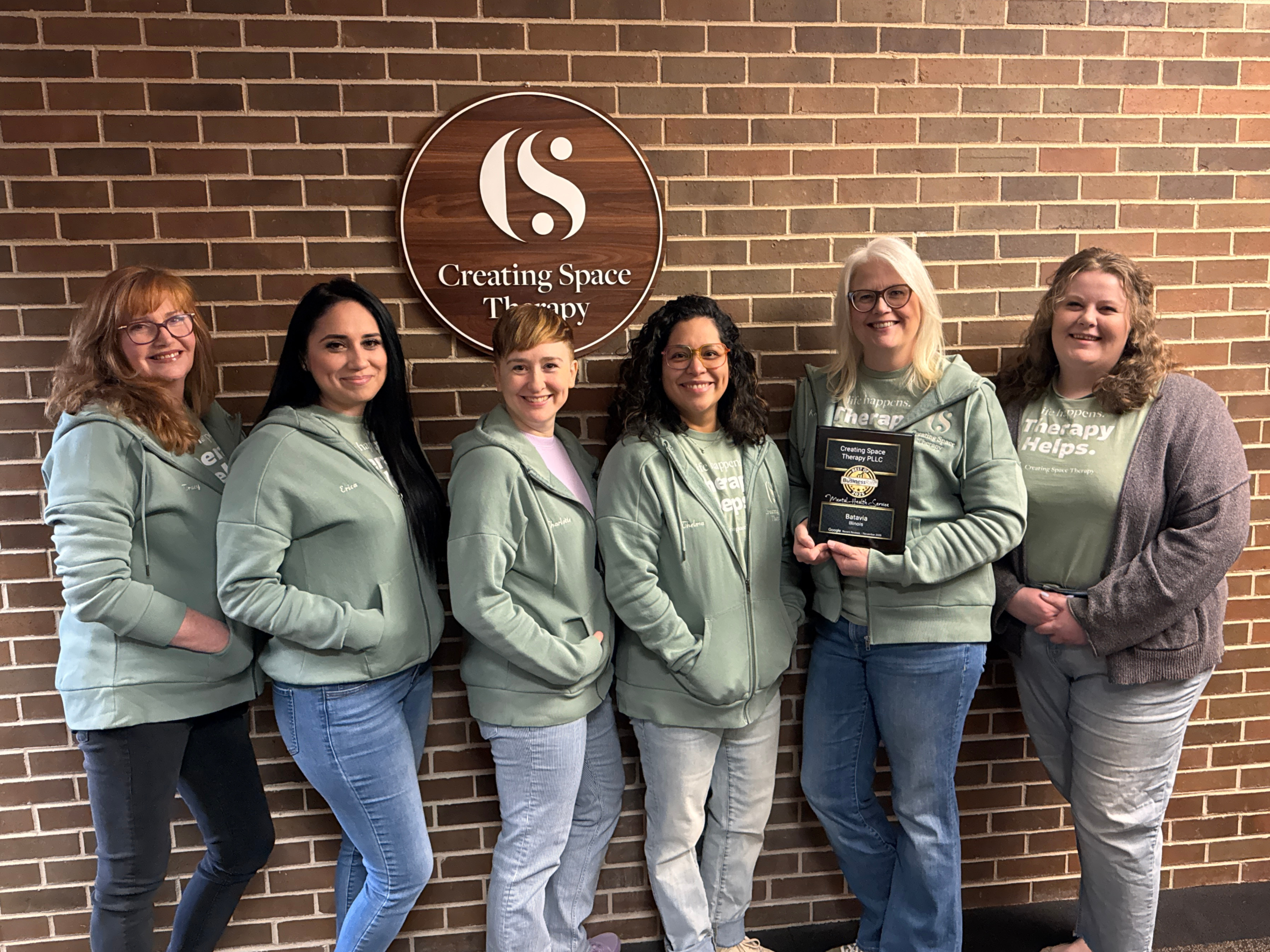
When the results came in, my first thought was not about the award itself. It was about the people behind it. Every client who sat with something hard and decided […]